

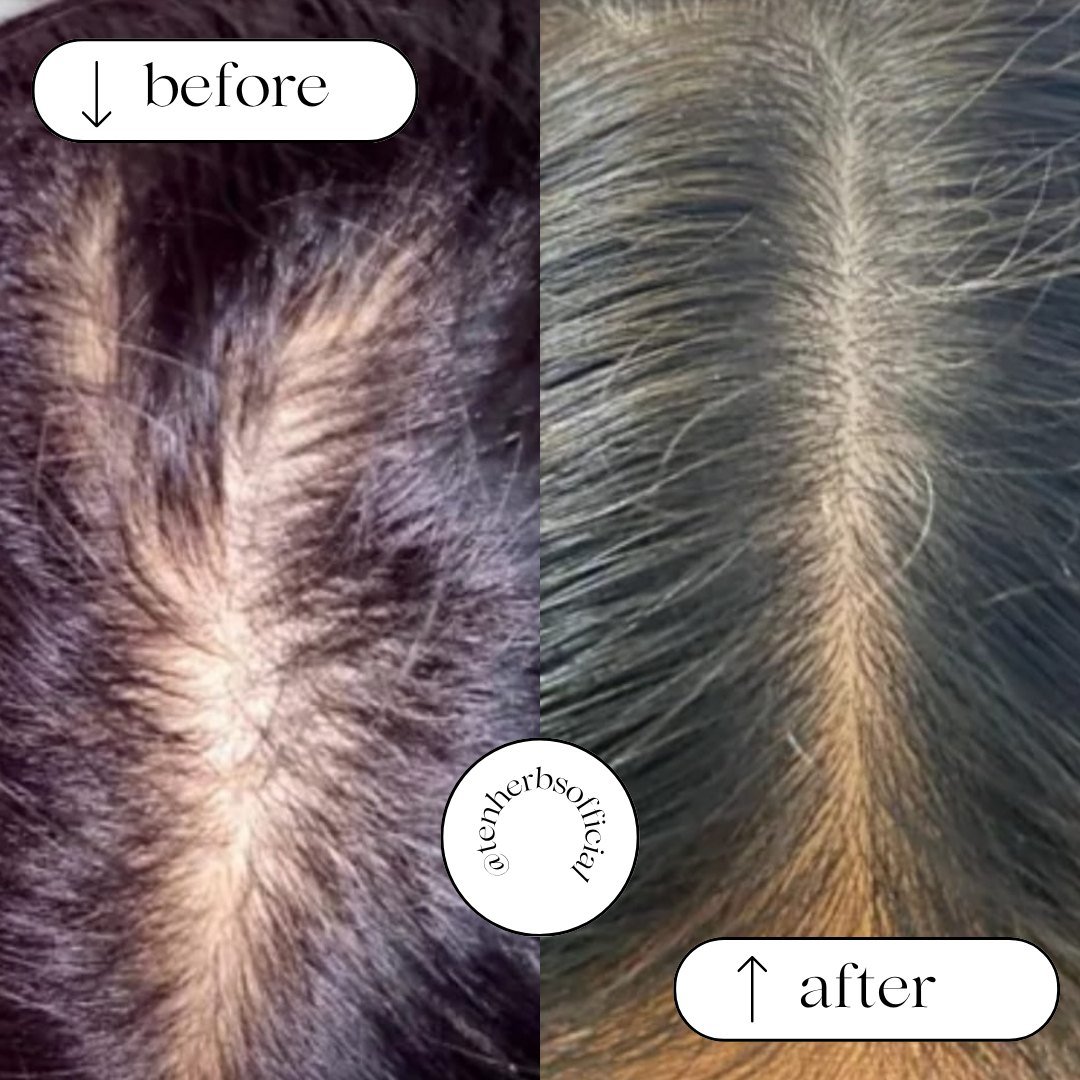
To stop hair fall naturally, incorporate a balanced diet rich in vitamins and minerals, such as biotin and zinc, which are crucial for hair growth. Simple changes like increasing your intake of leafy greens and nuts can significantly improve hair health. By adopting these natural remedies, you can reduce reliance on commercial products and witness a noticeable decrease in hair fall.
First, it’s crucial to identify the root causes of hair fallwhich often vary from person to person. Factors like hormonal changes, nutritional deficiencies, and high stress levels are some significant contributors. Understanding these aspects can guide you in choosing the best natural remedies for your situation.

Identify the Causes of Your Hair Fall
To effectively tackle hair fall naturally, it’s beneficial to pinpoint what’s triggering it. Hormonal imbalances, especially during pregnancy or menopause, can significantly impact hair density. Additionally, lifestyle factors such as stress or lack of sleep can contribute to hair loss without you even realizing it.
Nutritional deficiencies play a vital role as well. Insufficient intake of protein, iron, vitamin D, and other essentials can weaken your hair from the root, leading to increased shedding. If you’re uncertain about your current nutritional status, consider getting a blood test to check for deficiencies.
Reevaluate Your Diet for Hair Health
Your diet directly influences your hair’s vitality. After switching to a nutrition-rich diet, I’ve experienced less hair shedding and noticed stronger strands. Focus on incorporating foods high in proteins, such as lentils, eggs, and nuts, as they are building blocks for healthy hair.
Iron is another critical nutrient. Red meat, spinach, and chickpeas can boost your iron levels, ensuring healthy blood flow to the scalp. I also recommend foods rich in omega-3 fatty acids, like salmon and flaxseeds, as they nourish your scalp and promote hair growth.
- High-protein foods: eggs, legumes, nuts
- Iron-rich foods: spinach, red meat
- Omega-3 sources: salmon, walnuts

Essential Oils That Work Wonders
I’ve found that using essential oils is one of the most effective natural remedies for hair fall. Oils like rosemary have shown particular promise in improving scalp circulation, which can ultimately stimulate hair growth. Simply mix a few drops of rosemary oil with a carrier oil (like coconut or jojoba) and massage it into your scalp.
You’ll not only enjoy a lovely aroma, but you’ll also benefit from improved hair strength.
Lavender and peppermint oils are also noteworthy mentions. Lavender has calming properties, while peppermint oil increases blood flow to the scalp. Just ensure you perform a patch test before trying any new oil to avoid unwanted irritation.
The Benefits of Scalp Massage
Don’t underestimate the power of a good scalp massage! Regularly massaging your scalp can help improve blood circulation, which is crucial for hair growth. It’s an easy step you can incorporate during your hair washing routine. Just a few minutes of gentle pressure can help stimulate the hair follicles, promoting healthier growth.
If you’re short on time, even a quick 5-minute session can provide benefits. I often use the time I apply my essential oils for a thorough massage, allowing both the oil and the massage techniques to enhance my hair health. Consider adding this practice to your routine. It’s a game-changer!
Herbal Treatments to Try
Herbal remedies have been making waves in natural hair treatments, and I can attest to their effectiveness. Effective options include amla (Indian gooseberry) and fenugreek seeds. Amla can be consumed in powder form or as a juice, while fenugreek seeds can be soaked overnight and ground into a paste for application.
Both are known for their nourishing properties, offering a natural way to strengthen hair and reduce shedding.
Consider creating a hair mask from these ingredients. It’s simple; just mix the ground fenugreek with yogurt for a nourishing hair pack. Apply it to your hair and leave it on for about 30 minutes before rinsing. This routine can provide deep conditioning and may significantly reduce hair fall over time.
Stress Management is Key
One often overlooked aspect of hair loss is stress management. Chronic stress can lead to hair thinning and even telogen effluvium, a condition where hair stops growing suddenly. Incorporating stress-reduction techniques into your routine can have a remarkable impact on your overall health and hair growth.
Activities like yoga, meditation, or simply engaging in hobbies can help reduce stress levels. Additionally, adequate sleep is essential for recovery and restoration. Try setting a regular sleep schedule to improve the quality and duration of your sleep. When my stress levels are managed, I notice fewer hair strands stuck in my brush!
Commit to Natural Remedies for Lasting Results
To truly see results, consistency is crucial. Whether you’re implementing dietary changes, using essential oils, or practicing scalp massages, it’s essential to stick with them. Avoid jumping from one remedy to another too quickly; give each method time to work.
Remember, patience is key when you’re addressing hair fall naturally. These remedies should be part of a broader self-care routine that prioritizes health and well-being. Monitor what works best for you and be open to adjusting your approach as needed.
Frequently Asked Questions
What are the best natural remedies for hair loss?
Some effective natural remedies for hair loss include the use of aloe vera, which soothes the scalp and promotes hair growth, and rosemary oil, known for stimulating circulation and hair follicles. Additionally, a mixture of castor oil and coconut oil can nourish the scalp and strengthen hair strands.
How does diet affect hair fall?
Diet plays a crucial role in hair health; insufficient intake of essential nutrients, such as proteins, iron, and omega-3 fatty acids, can lead to increased hair loss. A balanced diet rich in vitamins and minerals supports hair strength and growth.
Can essential oils help in reducing hair fall?
Yes, essential oils like lavender, peppermint, and rosehip can help reduce hair fall by improving scalp health and promoting blood circulation. Regularly massaging these oils into the scalp may enhance hair growth and minimize shedding.
Why is my hair falling out so much?
Excessive hair loss can be caused by a variety of factors, including stress, hormonal changes, nutritional deficiencies, and underlying medical conditions. It's important to assess your lifestyle and consult a healthcare professional if the problem persists.
What vitamins are good for hair loss prevention?
Vitamins such as biotin, vitamin D, and vitamin E are essential for hair loss prevention, as they promote healthy hair follicles and enhance overall scalp health. Additionally, vitamin A and certain B vitamins, like B12, can support hair growth and vitality.


Leave a Reply