

Concerned about hair loss? Understanding the distinction between hair fall and shedding is essential for effective hair care. Hair fall is defined as significant hair loss indicative of potential health issues, while shedding is a normal part of the hair growth cycle, with around 50 to 100 strands lost daily.
This distinction can impact your hair treatment approach. I frequently hear from others about unexpectedly finding more hair on their pillows or in their showers, leading to confusion between normal shedding and concerning hair fall. This confusion can heighten anxiety surrounding hair health.

Recognizing Hair Shedding
Hair shedding occurs during the telogen phase, during which about 50-100 hair strands naturally fall out to make room for new growth. This phase can cause noticeable strands to appear after washing your hair or during seasonal changes. Although alarming at first, this is generally a harmless process.
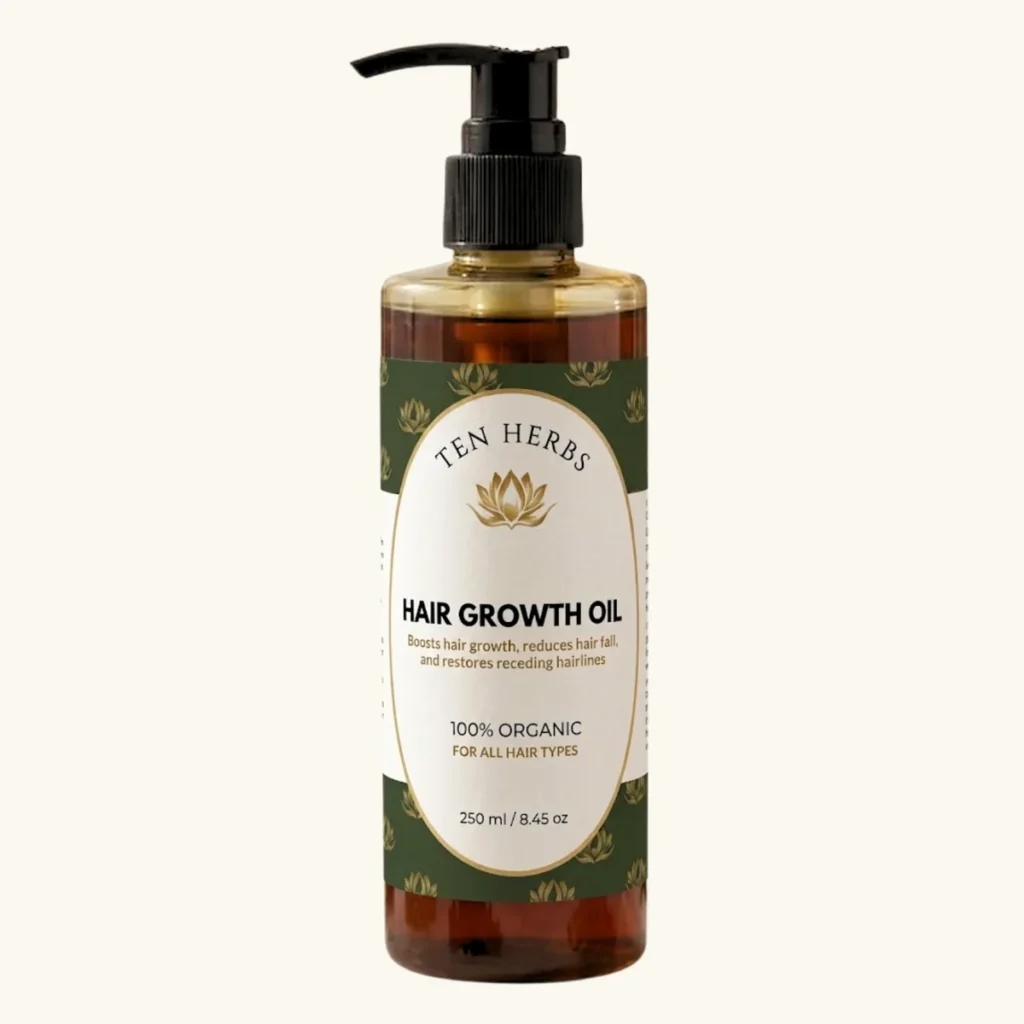
External factors like stress, hormonal fluctuations, or recovery from illness can contribute to increased shedding. Many find that natural oils help reduce excess shedding, and practices like scalp massages or switching hair products can yield noticeable improvements.
Hair Fall
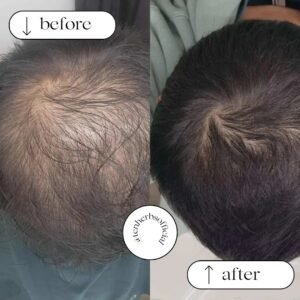
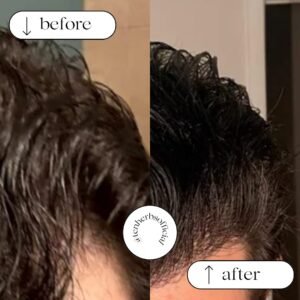
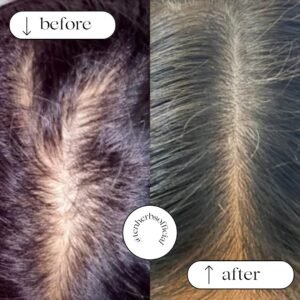
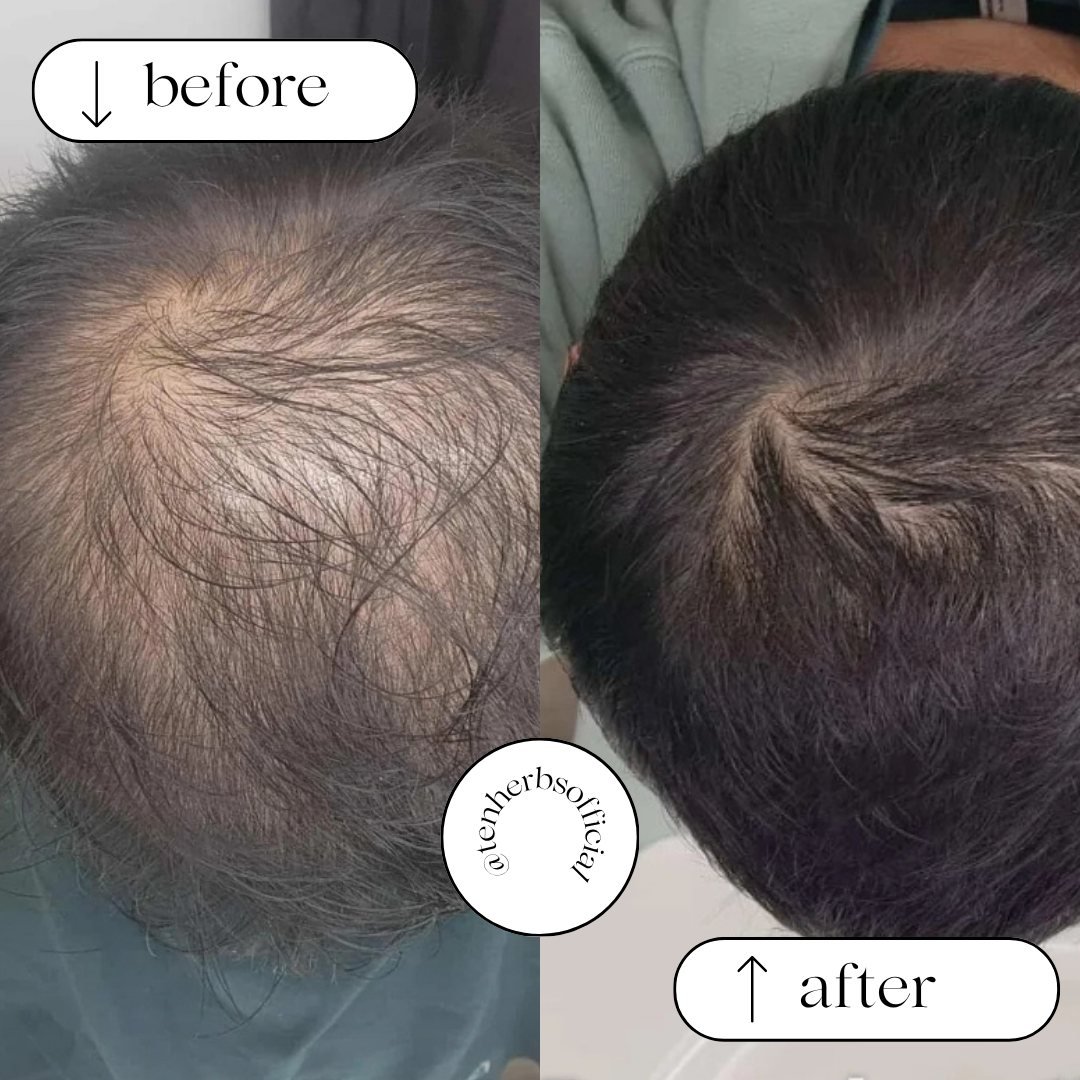
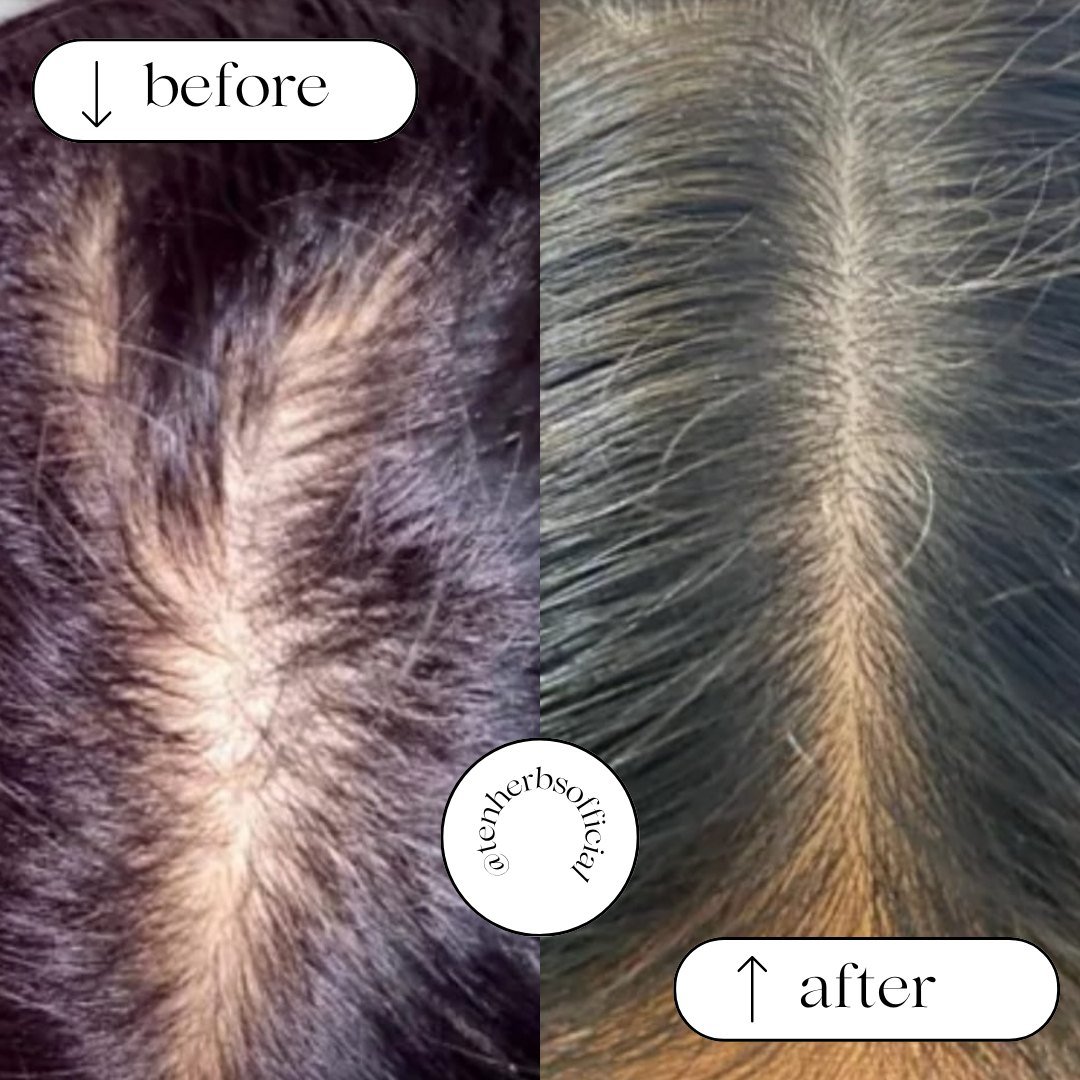
Hair fall, characterized by larger clumps of hair loss or thinning in specific areas, may suggest underlying conditions such as alopecia or other scalp issues that require professional evaluation. Observing thinning spots or a more visible scalp is a warning sign that shouldn’t be ignored.
Monitoring the extent of your hair loss is crucial. If you experience visible thinning or patches, consider consulting a dermatologist or trichologist. Seeking expert advice can be invaluable before purchasing unverified products.

Common Causes of Hair Fall
Multiple factors can lead to hair fall, including medical conditions and nutritional deficiencies. Stress plays a significant role; many people underestimate its impact on hair health. Nutritional gaps, particularly in iron, protein, and vitamins like D and B12, can cause thinning hair.
Additionally, certain medications and health conditions may exacerbate hair loss. Assessing your lifestyle and diet is imperative for maintaining healthy hair, incorporating a diverse array of vitamins and minerals supports optimal hair growth.
What Steps Can You Take?
If you suspect you’re experiencing shedding rather than hair fall, begin by reviewing your hair care routine and lifestyle habits. Transitioning to gentler hair products and minimizing heat exposure can offer benefits. Addressing nutritional deficiencies through a balanced diet and hair-friendly supplements, like biotin or omega-3 fatty acids, can also be advantageous.
If your hair fall is related to conditions like alopecia, consider natural treatments such as essential oils, or look into advanced options like PRP (platelet-rich plasma) therapy. Educating yourself about these choices can empower your decision-making process.
Essential Tips for Healthy Hair
- Maintain a balanced diet rich in proteins and essential vitamins.
- Limit the use of heat styling tools and harsh chemical treatments.
- Incorporate regular scalp massages to stimulate hair follicles.
- Stay hydrated and practice stress management techniques.
Grasping the difference between hair fall and hair shedding is vital for making informed decisions regarding your hair health. While shedding is often non-threatening, hair fall necessitates closer attention and potential intervention. Being proactive in your hair care is key.
Final Verdict: Shedding vs. Fall
If you experience shedding without scalp pain or visible thinning, this is likely part of the natural hair cycle. However, if you notice clumps of hair or vulnerable patches, seeking professional consultation is essential. Generally, shedding should not cause alarm, while hair fall demands immediate action. Awareness and prevention are crucial; informed decisions will provide the best outcomes for your hair health.
Frequently Asked Questions
What is the difference between hair fall and shedding?
Hair fall typically refers to the loss of hair that occurs from the roots, often due to factors such as breakage or damage. Shedding, on the other hand, is a natural process where hair strands fall out from the end of the hair shaft in the telogen phase of the hair growth cycle.
Why is my hair shedding more than usual?
Increased shedding can be caused by a variety of factors, including stress, hormonal changes, nutritional deficiencies, or underlying medical conditions. Seasonal changes and aggressive hair care practices can also contribute to temporary spikes in shedding.
Can hair oil help reduce hair fall?
While hair oil can nourish the scalp and improve overall hair health, its direct effect on reducing hair fall may vary. Oils rich in vitamins and fatty acids can strengthen hair strands, potentially minimizing damage and breakage, but addressing underlying causes of hair fall is essential for effective results.
When should I be concerned about hair loss?
You should be concerned about hair loss if you notice large clumps of hair falling out, thinning patches on your scalp, or changes in your hair texture. Additionally, if hair loss is accompanied by other symptoms such as itching, redness, or skin changes, it’s best to consult a healthcare professional.
How can I stop my hair from shedding so much?
To reduce excessive shedding, consider maintaining a balanced diet rich in vitamins and minerals, managing stress through relaxation techniques, and avoiding harsh hair treatments. Regularly using gentle hair care products and keeping your scalp healthy can also help mitigate shedding.


Leave a Reply