
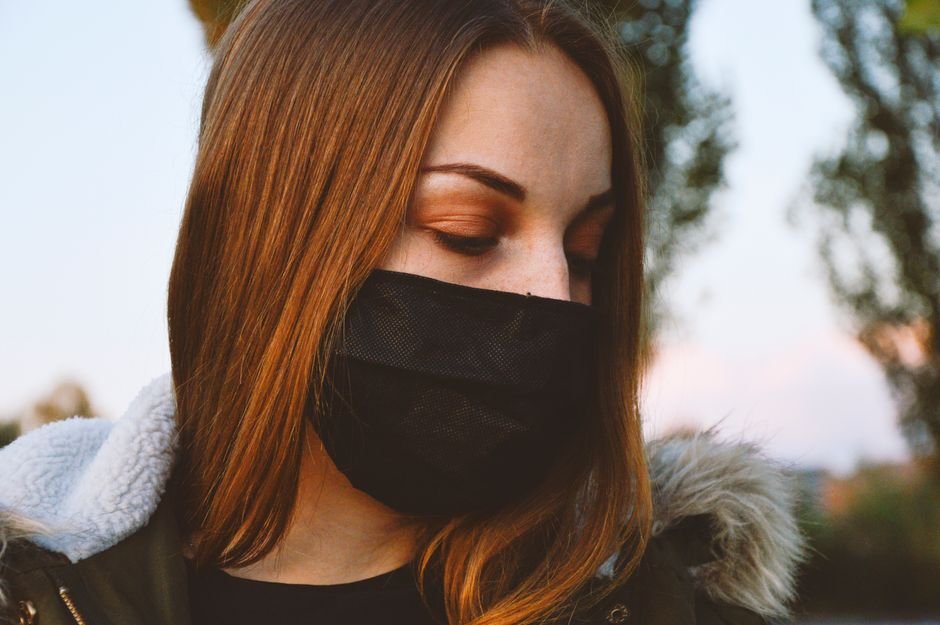
Hair fall after covid affects approximately 30% of people, resulting in significant hair loss known as telogen effluvium. This condition can manifest several months after recovery from the virus, causing distress about hair health. By understanding the underlying causes, individuals can reduce anxiety and explore effective treatment options to manage and restore their hair growth.
The connection between hair fall and Covid is primarily linked to the immune response triggered by the virus. When your body fights off an illness, it undergoes considerable stress, potentially disrupting the hair growth cycle. Factors such as hormonal fluctuations, fever, and the emotional burden of the pandemic can also contribute to increased hair thinning.
It’s essential to remember that while this hair loss can be distressing, it is typically temporary and resolves within six to twelve months for most people.

Emotional Distress Associated with Hair Thinning
Experiencing hair loss can lead to significant emotional distress. Many individuals express frustration over their thinning hair post-Covid, often feeling that their appearance impacts their identity. Hair often symbolizes beauty and self-confidence; losing it can deeply affect personal well-being. It’s crucial to recognize that this condition is generally temporary, which can help ease these feelings.
The majority of those recovering from telogen effluvium will notice improvement within six months to a year. To cope with emotional impacts, consider engaging with supportive communities or discussing your feelings with friends to navigate this challenging period.
Myths About Hair Loss Treatments: What to Avoid
The internet is filled with misleading advice regarding hair loss remedies. A common myth is that expensive shampoos or topical treatments yield instant results. While some products can enhance hair health, they often fail to address the underlying cause of hair loss.
Biotin supplements are popular but should not be viewed as a miracle cure; instead, focus on a well-balanced diet rich in vitamins and minerals, which is essential for hair regrowth. Natural oils can also nourish the scalp effectively, check out my guide on which oils can enhance hair thickness and length for more information.
Proven Treatments for Hair Regrowth
If you’re seeking solutions to promote hair regrowth, consider treatments with proven efficacy. Minoxidil is a notable option, clinically shown to stimulate hair growth by improving blood circulation to hair follicles. Although results may vary and it can take several months to see visible improvement, it’s worth exploring if you’re committed to regrowth.
Additionally, incorporating stress-reducing practices can be beneficial, as stress is a significant factor in hair loss. Activities like yoga and meditation not only enhance overall well-being but may improve hair health as well. To learn more about effective self-care, see my post on how to massage your hair with oil for added nourishment.

Patience and Consistency are Key
Though frustrating, managing hair loss requires patience. Understand that hair regrowth is a gradual process. Stay dedicated to effective treatments and maintain a healthy lifestyle. Pay attention to your nutrition, manage stress levels, and consider supplements if necessary. The hair growth cycle is lengthy; you may not see immediate results, but persistence pays off.
Surrounding yourself with supportive friends and family as you recover can make this journey more manageable.
Your Path Forward: A Clear Plan
Navigating hair fall after Covid necessitates a proactive approach. Prioritize scientifically-supported treatments, avoid common myths, and practice patience as you work toward healing. Embrace your body’s recovery process, both physically and emotionally, and you will likely see improvements in your hair health.
Frequently Asked Questions
Why does hair fall occur after Covid?
Hair fall after Covid is primarily attributed to telogen effluvium, a condition where hair follicles enter a resting phase due to stress, illness, or hormonal changes caused by the virus. The body’s response to infection can trigger this temporary hair loss, leading to significant shedding.
How long does post-Covid hair loss last?
Post-Covid hair loss can last for several months, typically peaking around three to six months after the infection. However, many individuals experience regrowth within a year as their body gradually recovers.
Can nutrition help with Covid-related hair loss?
Yes, proper nutrition can support hair health and recovery from Covid-related hair loss. A balanced diet rich in vitamins, minerals, and proteins can strengthen hair follicles and promote regrowth.
Is hair regrowth possible after Covid?
Hair regrowth after Covid is indeed possible for most individuals, as telogen effluvium is usually reversible. Over time, many people notice their hair returning to its normal cycle and density.
What treatments are effective for post-Covid hair loss?
Effective treatments for post-Covid hair loss may include topical minoxidil, hair growth supplements, and maintaining a healthy diet. Consulting a healthcare professional can help tailor treatment options based on the individual’s specific situation. For additional insights on hair loss recovery, you can read more about hair fall after covid.


Leave a Reply