

Hair fall due to stress affects approximately 80% of individuals during significant stress events, making it a common concern. This direct link between stress and hair health underscores the importance of managing stress levels to prevent thinning hair. By understanding how stress impacts hair, individuals can better protect their locks and maintain a fuller head of hair.
Stress affects not only mental and emotional well-being but also physical health, particularly hair. Many individuals report heightened shedding during stressful times, prompting questions about the connection between stress and hair loss. Observations suggest that effectively managing stress can significantly promote hair regrowth and overall well-being.

The Connection Between Stress and Hair Fall
Hair fall due to stress primarily involves a condition known as telogen effluvium, which occurs when stress pushes hair follicles into a resting phase. This phase can lead to increased shedding for several weeks or months, potentially causing anxiety about permanent hair loss.
It’s important to note that hair loss can manifest weeks or months after a stressful event. While stress is a contributing factor, hormonal fluctuations, nutritional deficiencies, and health issues are also common causes. To determine if stress is the main culprit, reflect on any significant life changes that coincide with the onset of hair loss.
Practical Methods for Reducing Stress
To maintain hair health, effective stress management strategies are crucial. Consider the following techniques:
- Regular Exercise: Physical activity boosts endorphin production, alleviating stress. A 30-minute walk or a gentle yoga session can promote relaxation.
- Meditation and Mindfulness: Mindfulness practices, such as daily ten-minute meditation or deep breathing, can significantly lower anxiety levels.
- Prioritize Sleep: Aim for 7-9 hours of quality sleep to help reduce stress levels. Establishing a calming bedtime routine promotes better rest.
While these methods may not yield immediate hair regrowth, they form a crucial foundation for recovery.
Natural Solutions to Support Hair Health
Alongside stress relief, natural remedies can aid in hair regrowth. These options include:
- Essential Oils: Oils like rosemary and peppermint have been linked to enhanced hair health. Massaging these oils into the scalp can improve circulation and potentially stimulate growth.
- Aloe Vera: Renowned for its nourishing properties, aloe vera applied to the scalp may soothe irritation and support hair quality.
- Biotin and Vitamin D: Adequate intake of biotin and Vitamin D is essential for hair health. Include vitamin-rich foods in your diet or consult a healthcare provider about supplements.
For an in-depth look at hair growth oils, explore resources like [Is Onion Oil Good for Hair?](https://tenherbsofficial.com/is-onion-oil-good-for-hair/) and [How to Use Almond Oil for Hair Growth and Thickness?](https://tenherbsofficial.com/how-to-use-almond-oil-for-hair-growth-and-thickness/). These insights delve into the effectiveness of natural treatments.
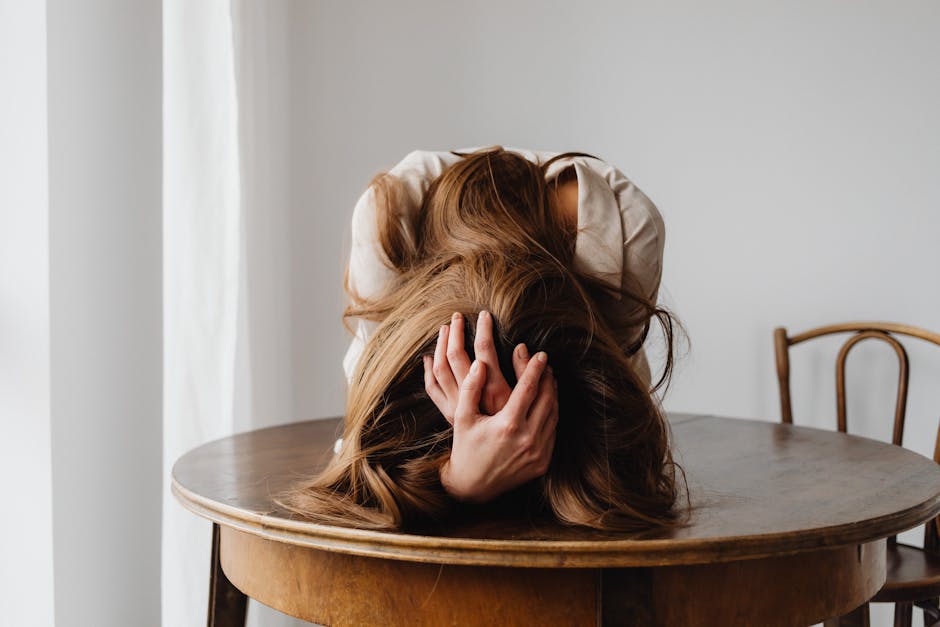
Can My Hair Regrow After Managing Stress?
A frequent question is whether addressing stress will allow hair to regrow. The positive news is that hair has a natural growth cycle; many individuals experience regrowth after managing stress effectively. However, this process takes patience, with regrowth potentially starting several months after shedding has ceased.
To optimize regrowth prospects, adhere to a dedicated hair care routine. Choosing gentle shampoos, minimizing heat styling, and using high-quality hair products are vital. If hair loss persists, consulting with a dermatologist can help identify any underlying conditions and provide tailored guidance.
Final Verdict: Stress Management Is Key for Hair Health
Hair fall due to stress is a significant issue that demands immediate attention. A dual approach, effective stress management and thoughtful hair care, can mitigate this problem. Incorporating stress-relief techniques such as exercise and mindfulness alongside natural remedies can create an environment conducive to hair regrowth. Commitment to both mental health and hair care is essential for achieving lasting results.
Take control of your well-being today, prioritizing stress management can lead to healthier hair in the future.
For more, read about rough hair.
Frequently Asked Questions
Why does stress cause hair loss?
Stress can lead to hair loss through various mechanisms, such as triggering a condition known as telogen effluvium, where hair follicles enter a resting phase and shed prematurely. Additionally, stress can disrupt hormone levels and reduce blood flow to the scalp, which may also contribute to hair loss.
Can hair grow back after stress-induced loss?
Yes, hair can grow back after stress-induced loss, particularly if the underlying stress is managed effectively. It may take several months for normal hair growth to resume as the hair follicles recover from the stress.
How long does stress-related hair loss last?
Stress-related hair loss typically lasts for several months, with noticeable shedding occurring about two to three months after the stressful event. If the stress is alleviated and proper care is taken, hair growth can gradually return to normal.
What are effective treatments for hair loss due to stress?
Effective treatments for hair loss due to stress include managing the stress through therapy, relaxation techniques, or lifestyle changes, as well as using topical treatments like minoxidil. Nutritional supplements and maintaining a healthy diet may also support hair regrowth.
Is stress baldness reversible?
In most cases, stress-induced baldness is reversible if the stress is managed and other contributing factors are addressed. Hair typically regrows once the body returns to a more balanced state, although results can vary for each individual.


Leave a Reply