
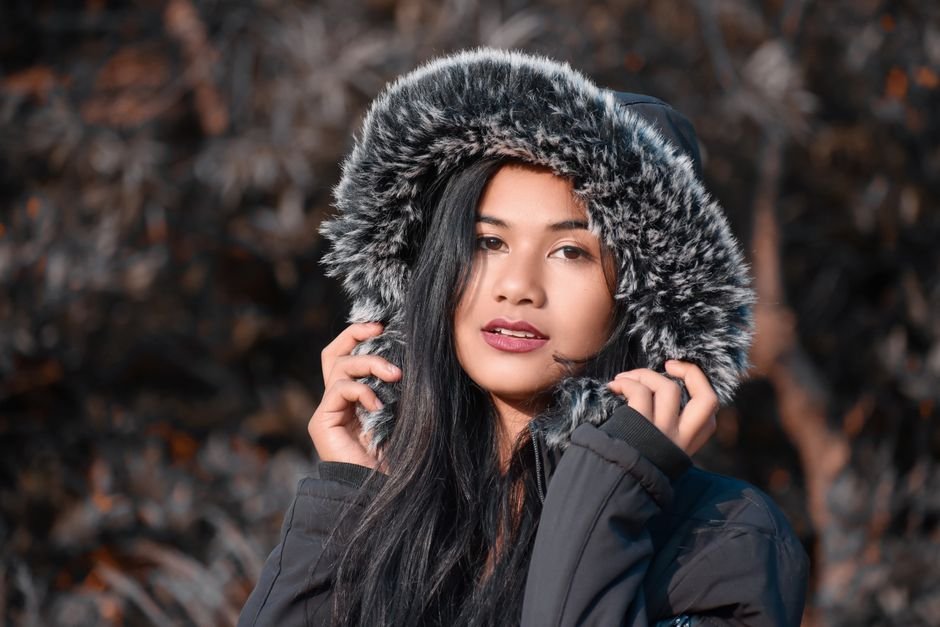
Hair fall in winter is a common issue, with studies showing that many individuals experience up to a 25% increase in hair loss due to reduced humidity. The cold air can lead to dehydration of the hair and scalp, making strands more brittle and prone to breakage. This guide will provide effective strategies to maintain healthy, vibrant hair during the chilly months.
During winter, the average humidity level drops between 30-40%, which negatively impacts hair health. Many people report drier hair and increased shedding during this season. If you’re among them, it’s time to reevaluate your hair care routine and include products that address winter’s specific challenges.

Addressing Dry Scalp Issues
If you’re experiencing a dry, flaky scalp along with hair fallincreasing moisture is critical. Opt for hydrating shampoos and conditioners containing nourishing ingredients like shea butter or argan oil to help lock in moisture and strengthen hair.
Over-washing is a frequent mistake many make in winter, stripping essential oils from hair and worsening dryness. Limit shampooing to 2-3 times a week and choose sulfate-free products. Integrating a deep conditioning mask weekly can significantly restore moisture balance.
Combatting Brittle Hair
Brittle hair, often exacerbated in winter, benefits from the addition of moisturizing oils like coconut or olive oil. Applying a few drops to the ends of your hair before styling can prevent breakage and enhance hydration. Use oil sparingly; too much can make your hair appear greasy.
Avoid heat-styling tools wherever possible. If necessary, always apply a heat protectant beforehand to minimize damage. Consider switching to a wooden comb, which is gentler than plastic, to reduce breakage.
Nourishing Hair from Within
Hair fall in winter might be linked to dietary deficiencies. A diet lacking essential vitamins can weaken hair and increase shedding. Incorporate foods rich in vitamins A, C, D, and E, like leafy greens, nuts, and fish, into your meals for improved hair health.
Supplements can also provide necessary support. Hair vitamins containing biotin and zinc bolster hair growth and resilience during winter. Consistent intake can make a tangible difference as the season progresses.

Effective Moisturizing Techniques
When selecting hydrating products, look for labels that say “moisturizing” or “hydrating.” Heat-activated sprays can add moisture, especially when using heat tools. Leave-in conditioners specifically designed for dry hair help penetrate the scalp and hair shaft effectively.
Regularly massaging your scalp can enhance circulation and promote healthier follicles. Even a 5-minute massage can prove beneficial. Overnight oil treatments can also be transformative; apply a light oil to your scalp and hair, then wash it out in the morning for best results.
Verdict: A Comprehensive Strategy for Healthy Hair
Winter hair fall arises from various factors: dry air, moisture loss, and inadequate nutritional support. A comprehensive approach that combines hydration-focused hair care products, a nutrient-rich diet, and routine maintenance is most effective. By prioritizing moisture and nourishment, you not only reduce winter hair fall but also foster long-term hair health. If you’re struggling with hair fall in wintergive your hair the gentle care it deserves this winter to thrive despite the harsh conditions.
Frequently Asked Questions
Why does hair fall increase in winter?
Hair fall can increase in winter due to dry air and lower humidity levels, which strip moisture from both the scalp and hair. Additionally, wearing hats or using heat styling tools more frequently in colder months can contribute to increased hair damage and loss.
How can I stop hair fall in winter?
To stop hair fall in winter, it’s important to maintain hydration for your hair and scalp by using moisturizing shampoos and conditioners. Incorporating regular scalp massages and limiting heat styling can also help bolster hair health during the colder months.
What is the best oil to prevent winter hair fall?
Coconut oil is often recommended as one of the best oils to prevent winter hair fall due to its ability to penetrate the hair shaft, providing deep moisture and nourishment. Other good options include argan oil and olive oil, which can help keep the scalp hydrated and reduce breakage.
Is it normal to lose more hair in winter?
Yes, it is normal to experience increased hair loss in winter due to the factors such as dryness and colder temperatures affecting hair health. However, if the hair fall is excessive or persistent, it’s advisable to consult a dermatologist.
Can diet impact hair fall in cold weather?
Absolutely, diet plays a crucial role in hair health, especially during cold weather. Consuming a balanced diet rich in vitamins, minerals, and proteins can help strengthen hair and reduce fall, while deficiencies may exacerbate hair loss.

Leave a Reply