

Hair fall in women causes and solutions primarily stem from hormonal changes, nutritional deficiencies, and stress, affecting nearly 40% of women during their lives. Understanding these underlying factors is essential for determining effective treatments. By addressing these causes, women can significantly improve hair health and regain confidence.
Extensive research reveals actionable solutions for managing hair fall. Let’s dive into the primary causes and explore effective remedies.
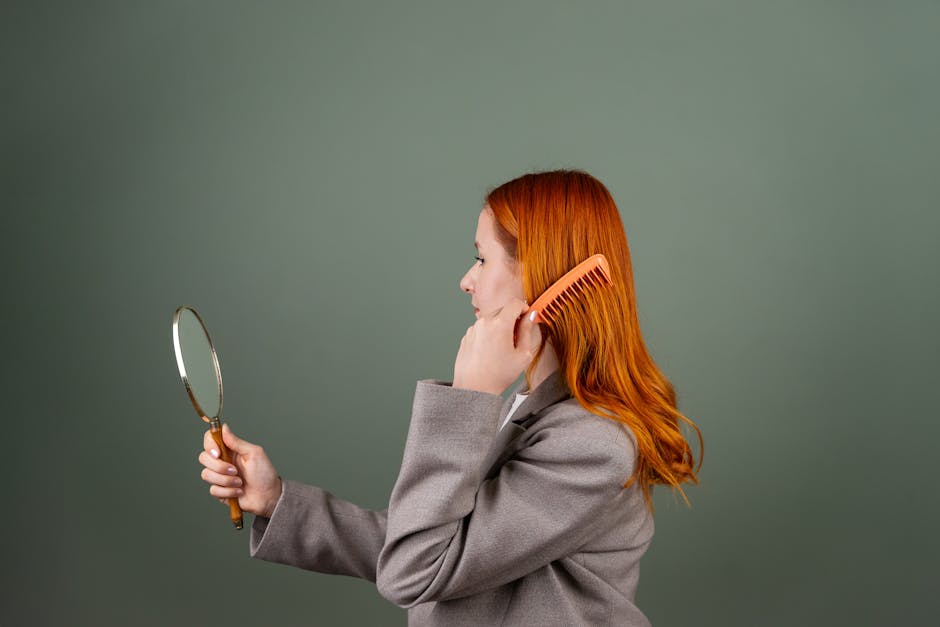
Hormonal Changes Are a Major Factor
Hormonal changes are a leading cause of hair loss in women. Conditions such as pregnancy, menopause, and polycystic ovary syndrome (PCOS) can drastically affect hormone levels and lead to thinning hair. Many women also notice fluctuations related to their menstrual cycles. Elevated levels of androgens, for instance, can shrink hair follicles and shorten hair growth phases.
If you suspect hormonal imbalances, consulting a healthcare provider is critical. They can test hormone levels, including estrogen and testosterone, providing essential insights into your hair health. Treatments often involve hormone therapy or medications targeted at restoring balance.
Nutritional Deficiencies: Key to Healthy Hair
Nutritional deficiencies frequently contribute to hair loss. A diet lacking essential nutrients, like iron, zinc, and vitamins, can leave hair brittle and promote shedding. Iron and vitamin D deficiencies, in particular, are strongly linked to hair health. Incorporating nutrient-rich foods such as leafy greens, nuts, and protein sources can significantly enhance hair thickness and quality.
To address potential deficiencies, consider a blood test to check your levels. If deficiencies are detected, dietary supplements may be necessary. Prioritize a balanced diet with whole foods to ensure adequate nutrition that benefits both your hair and overall well-being.
Stress Management Is Critical
Chronic stress is a common contributing factor to hair fall. It can trigger telogen effluvium, a condition where hair follicles enter a resting phase, leading to increased shedding. If you notice excessive hair loss during stressful periods, it’s likely linked to this condition.
Finding effective stress management techniques is crucial. Practices like meditation, yoga, and regular exercise are proven to reduce stress levels and promote healthy hair growth. Consistently dedicating even just 15 minutes a day to mindfulness can improve hair vitality.

Proven Solutions for Hair Fall
When it comes to treating hair fall, effective solutions include topical treatments such as minoxidil, which has been clinically shown to stimulate hair growth in many women by increasing blood flow to hair follicles. If you’re serious about addressing hair loss, this treatment is worth considering.
Natural remedies can also make a difference. Techniques like regular scalp massages promote circulation, while natural oils like rosemary oil have been found to stimulate hair growth. For a detailed guide on using rosemary oil, check out this resource: How to Use Rosemary Oil for Hair Growth?.
Choosing the Right Hair Care Products is Essential
Selecting suitable hair care products is crucial in managing hair health. Many shampoos and conditioners contain harsh chemicals that can aggravate hair fall. Opt for sulfate-free products designed to nourish and strengthen hair. Deep conditioning treatments can also hydrate your hair, helping prevent breakage.
Minimizing the use of styling tools is equally important. Heat can weaken hair strands, contributing to increased breakage. Adopting a gentler hair care routine can significantly benefit hair health over time.
Patience Is Key: Hair Growth Takes Time
Patience plays a vital role in hair regrowth. Whether you’re changing your diet, managing stress, or using treatments, it can take several months to see noticeable results. Although it may be disheartening not to experience immediate improvements, consistency is essential for achieving long-term success.
Proactive Steps for Healthy Hair
Though hair fall can be overwhelming, understanding its causes and solutions and implementing effective solutions can lead to noticeable improvements. Don’t hesitate to seek professional advice if you’re struggling; tailored solutions can make a significant difference. By taking proactive steps, you can regain confidence and effectively protect your hair.
Frequently Asked Questions
What are common causes of hair fall in women?
Common causes of hair fall in women include hormonal changes such as those during pregnancy or menopause, nutritional deficiencies, and certain medical conditions like thyroid disorders or polycystic ovary syndrome (PCOS). Additionally, factors like genetics, certain medications, and lifestyle choices can contribute to hair loss.
How can women prevent hair thinning?
To prevent hair thinning, women can maintain a healthy diet rich in vitamins and minerals, use gentle hair care products, and avoid excessive styling or heat treatments. Additionally, regular scalp massages and stress management techniques can promote healthy hair growth.
Are there effective treatments for female hair loss?
Yes, effective treatments for female hair loss include topical solutions like minoxidil, which can stimulate hair growth, and prescription medications that address hormonal imbalances. In some cases, women might also consider therapy options such as laser treatments or hair transplant surgeries.
Can diet impact hair fall in women?
Absolutely, diet plays a significant role in hair health. Nutritional deficiencies, particularly in vitamins and minerals like iron, biotin, and protein, can lead to increased hair fall in women.
Is stress a major factor in hair loss for women?
Yes, stress can be a major factor contributing to hair loss in women, often leading to conditions such as telogen effluvium, where hair follicles enter a resting phase and result in hair shedding. Managing stress through activities like exercise, meditation, or counseling can be beneficial for hair health.


Leave a Reply